

Business equipment loan rates are crucial for small business owners looking to maintain cash flow while acquiring essential machinery. These rates can affect the overall cost of borrowing and ultimately impact your bottom line. Here’s a quick overview:
- Importance: Helps manage costs associated with upgrading or repairing equipment.
- Structure: A loan where the equipment itself serves as collateral.
- Options: Financing terms can range from 24 to 60+ months.
In today’s business landscape, keeping your equipment up-to-date without straining finances is essential. Whether it’s a construction company investing in heavy machinery or a start-up acquiring office furniture, understanding equipment financing can make a big difference.
I’m Vincent Cerniglia, a seasoned professional with experience in business equipment loan rates. As the leader at Noreast Capital Corporation, I help businesses find the best financing solutions to keep operations smooth and budgets on track.

Business equipment loan rates terms to learn:
– Equipment leasing benefits
– difference between lease and loan
Understanding Business Equipment Loan Rates
When it comes to business equipment loan rates, several factors can impact what you’ll end up paying. Let’s break down the essentials: interest rates, credit scores, and loan terms.
Interest Rates
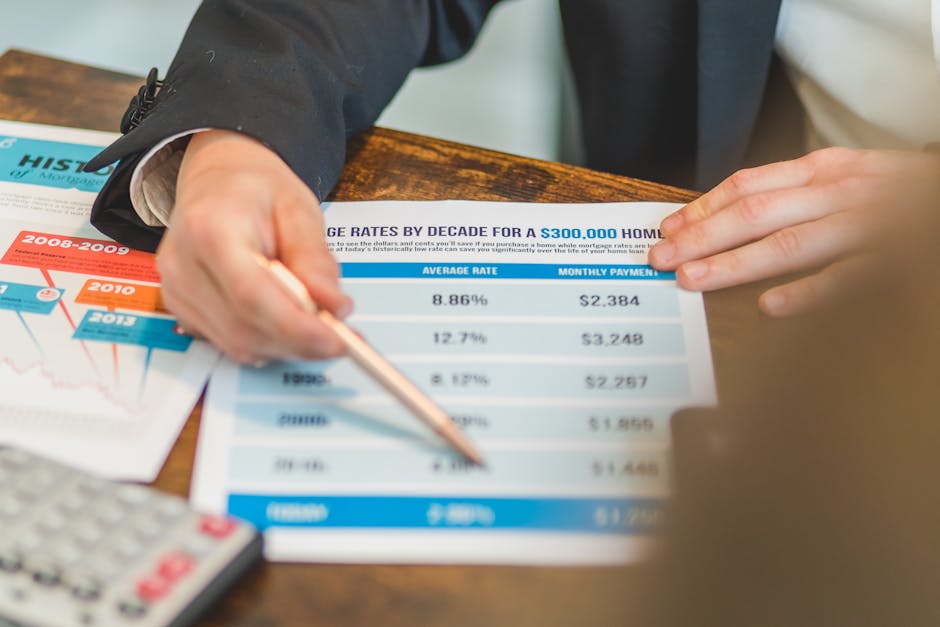
Interest rates are a key component of business equipment loans. These rates determine how much extra you’ll pay on top of the loan amount. Typically, interest rates are expressed as an annual percentage rate (APR). This includes not just the interest but also any additional fees you might incur.
For instance, according to the Equipment Leasing and Finance Association, the average rate for equipment loans can vary. A stable rate environment can be beneficial, as seen in recent data where no further rate increases were expected by the Federal Reserve.

Credit Score
Your credit score plays a significant role in determining the interest rate you’ll receive. A higher score often means a lower interest rate, making the loan more affordable.
While personal credit scores are important, business credit scores are equally crucial. Companies like Dunn & Bradstreet and Experian provide these scores, which range from 1 to 100. A solid business credit score can open doors to better rates and terms, making it easier to manage costs.
Loan Terms
The length and structure of your loan—known as loan terms—also affect your overall costs. Terms can range from a few months to several years, depending on the type of equipment and the lender’s policies.
Shorter-term loans might have higher monthly payments but less interest over time. Longer-term loans offer lower monthly payments but could accumulate more interest. It’s essential to balance these factors to find a term that fits your budget.
For example, Noreast Capital offers flexible options, allowing businesses to choose terms that align with their financial goals. Whether you need a short-term loan for quick upgrades or a long-term solution for significant investments, understanding these terms can help you make informed decisions.
By grasping these fundamental aspects of business equipment loan rates, you’ll be better prepared to steer the borrowing landscape and secure the best deal for your business.
Types of Equipment Loans
When you’re looking to finance your business equipment, understanding the types of loans available can make a big difference. Let’s explore some of the most common options: equipment financing, leasing, and microloans.
Equipment Financing
Equipment financing is straightforward. You borrow a lump sum specifically for purchasing equipment and repay it over a set period with interest. This option is often used because it offers predictable payments and terms.
- Pros: You own the equipment outright once the loan is paid off. This is ideal for equipment with a long useful life.
- Cons: May require a down payment, and you’ll need to have a good credit score to secure favorable rates.
Equipment financing can vary in length, typically ranging from 1 to 25 years. Shorter terms mean higher monthly payments but less interest over time. Longer terms spread out payments but may cost more in interest.
Leasing
Leasing is another popular option for acquiring business equipment. Instead of purchasing the equipment outright, you pay to use it for a specified period.
- Pros: Lower upfront costs and the ability to upgrade equipment at the end of the lease term.
- Cons: You do not own the equipment unless you choose to purchase it at the end of the lease.
Leasing is especially useful for businesses that need to regularly update their equipment or want to preserve cash flow.
Microloans
Microloans are smaller loans, usually up to $50,000, designed to help small businesses and startups. These loans can be a great fit for purchasing smaller or less expensive equipment.
- Pros: Easier to qualify for, with less stringent credit requirements.
- Cons: Smaller loan amounts might not cover more costly equipment.
Microloans often come from nonprofit organizations or community lenders, focusing on helping small businesses grow.
By understanding these types of equipment loans, you can choose the one that best fits your business needs and financial situation. Whether you’re looking for a long-term investment or a quick boost, knowing your options is key to making the right decision.
Factors Affecting Equipment Loan Rates
When applying for a business equipment loan, several factors come into play that can influence the interest rate you’ll receive. Let’s break down the key components: creditworthiness, business risk profile, and loan amount.
Creditworthiness
Your credit score is like a report card for your financial history. Lenders use it to determine how likely you are to repay a loan. The higher your score, the better your chances of securing a lower interest rate. For example, businesses with excellent credit might see rates as low as 6-8% for larger loans, while those with lower scores could face rates over 10%.
- Tip: Before applying, check your credit report for errors and take steps to improve your score, such as paying off outstanding debts.
Business Risk Profile
Lenders assess the risk of lending to your business by looking at factors like industry stability, business history, and financial health. A business with a solid track record and stable cash flow is seen as less risky, which can lead to more favorable loan terms.
- Example: A well-established construction company might get better rates compared to a new restaurant, simply due to industry stability.
Loan Amount
The amount you wish to borrow also affects your interest rate. Larger loans may come with lower rates due to economies of scale, but they also represent a bigger risk to lenders.
- Fact: Larger loans, often over $100,000, might see rates between 6-8%, but only if your business is profitable and well-established.
Understanding these factors can help you prepare better for the loan application process. By improving your credit score, managing your business risk profile, and carefully considering the loan amount, you can position yourself to secure the best possible rates.
Next, we’ll explore how equipment loans compare to leasing options, helping you decide which is right for your business.
Comparing Equipment Loans and Leases
When it comes to acquiring equipment for your business, you have two main options: equipment loans and leases. Each has its own benefits and considerations, so let’s dive into the details.
Lease Purchase
A lease purchase is a type of agreement where you lease equipment with the option to buy it at the end of the lease term. This is a great choice if you want to spread out payments and eventually own the equipment. You make regular payments, and at the end, you pay a nominal fee to take full ownership.
- Pros: Lower upfront costs and predictable monthly payments. You get the flexibility to own the equipment eventually.
- Cons: Can end up being more expensive than a loan if you choose to purchase the equipment.
True Tax Lease
A true tax lease, also known as a “tax lease” or “FMV lease,” is designed to meet IRS guidelines for a lease. This type of lease can offer tax benefits because the payments are often fully deductible as a business expense. At the end of the lease, you can choose to purchase, return, or upgrade the equipment.
- Pros: Potential tax benefits and flexibility at the end of the lease term.
- Cons: You don’t own the equipment unless you decide to purchase it at the end.
Cash Flow Management
Choosing between a loan and a lease can significantly impact your business’s cash flow. Equipment loans typically require a down payment and result in ownership, which could be beneficial for long-term assets. In contrast, leases often have lower monthly payments and no down payment, which can free up cash for other business needs.
- Tip: Evaluate your cash flow carefully. If maintaining liquidity is crucial, a lease might be the better option. If you prefer ownership and can manage the upfront costs, a loan could be more advantageous.
By understanding the differences between equipment loans and leases, you can make an informed decision that aligns with your business’s financial strategy and operational needs. Next, we’ll tackle some frequently asked questions about business equipment loan rates to further clarify your options.
Frequently Asked Questions about Business Equipment Loan Rates
What is the average interest rate on an equipment loan?
The average interest rate for an equipment loan can vary widely, typically ranging from 6% to 13%. Factors such as your credit score, the loan amount, and the lender’s policies will influence the exact rate you receive.
For businesses with excellent credit scores, rates are often on the lower end of this spectrum. However, if your credit score is less than stellar, you might face rates around 10% or higher. It’s crucial to shop around and compare offers from different lenders to secure the best possible rate.
What is the interest rate for equipment finance?
Equipment finance rates depend on several factors, including your business’s financial health and the type of equipment being financed. For loans under $100,000, expect interest rates between 7% and 9% if you have a strong credit profile. Larger loans might come with slightly lower rates, typically between 6% and 8%, due to the reduced risk perceived by lenders.
If your business is newer or has a lower credit score, rates could climb to 9% or even 20%. The key is to demonstrate reliability through consistent payments and sound financial practices to potentially lower your rates over time.
What is the difference between a lease and a loan?
Choosing between a lease and a loan for equipment financing depends on your business goals and financial situation.
Lease: A lease allows you to use equipment without owning it outright. With options like a lease purchase, you can eventually own the equipment after making regular payments. A true tax lease might offer tax benefits, as payments can often be deducted as business expenses. Leases generally have lower monthly payments and don’t require a down payment, which helps with cash flow management.
Loan: An equipment loan involves borrowing money to purchase equipment, resulting in ownership from the start. Loans may require a down payment, but they can be more cost-effective in the long run if you plan to keep the equipment for an extended period.
Understanding these distinctions helps you choose the best financing option for your business needs. Whether you prioritize immediate cash flow or long-term ownership, aligning your choice with your financial strategy is key.
Conclusion
In equipment financing, Noreast Capital stands out as a trusted partner, helping businesses steer the complexities of acquiring essential tools without straining cash flow. We understand that maintaining a healthy cash flow is crucial for any business, especially when it comes to investing in new equipment.
Noreast Capital provides flexible financing solutions that allow you to use the equipment you need without the burden of ownership. This approach not only saves you money but also ensures that your business remains agile and ready to seize new opportunities. Our customizable options are designed to fit your unique needs, whether you’re upgrading existing equipment or investing in new tools to improve your operations.
By choosing us for your equipment financing needs, you’re not just getting a loan; you’re gaining a partner committed to your success. Our expertise in the industry, combined with our dedication to supporting your growth, means you can focus on what you do best—running your business.
For more information on how we can help manage your cash flow while providing the equipment solutions you need, visit our service page. Let’s work together to ensure your business thrives with the right financial support.
In summary, the right equipment financing can significantly impact your business’s success. With Noreast Capital by your side, you can steer the complexities of business equipment loans with confidence, ensuring your cash flow remains healthy and your operations run smoothly.