

Why Equipment Leasing Can Boost Your Business Growth
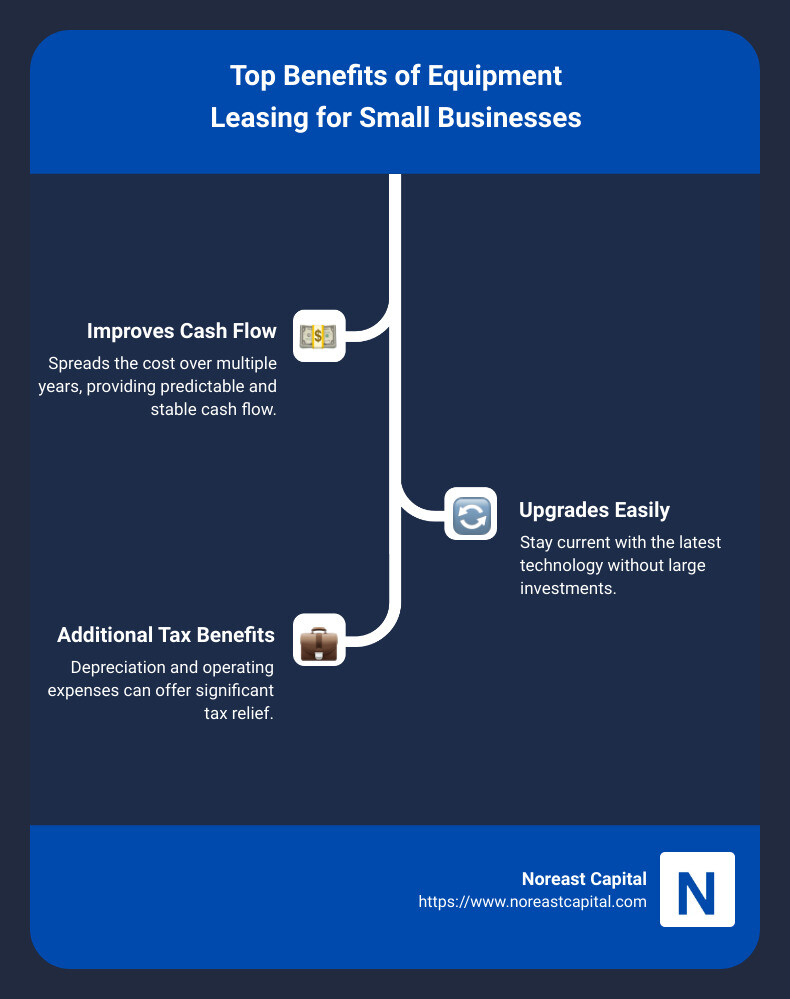
Equipment lease companies are key to driving business growth while managing cash flow efficiently. Whether you’re a small business owner looking to avoid high upfront costs or a large corporation aiming to preserve working capital, equipment leasing offers a practical solution. Here’s a quick rundown of benefits:
- Improves cash flow: Spreads the cost over multiple years.
- Upgrades easily: Stay current with the latest technology without large investments.
- Additional tax benefits: Depreciation and operating expenses can offer tax relief.
- Protects against obsolescence: No need to worry about outdated equipment.
As the backbone of many thriving enterprises, equipment leasing enables companies to use necessary tools immediately and increase their productivity without financial strain. It aligns the equipment costs with the revenue generated, making cash flow predictable and stable.
My name is Vincent Cerniglia, and with decades of experience in the equipment financing industry as the CEO of Noreast Capital, I have seen countless businesses flourish by choosing the right leasing options. Join me as we explore the best options available in 2024.
Understanding Equipment Leasing
Equipment leasing offers businesses a flexible way to acquire the tools they need without the burden of full ownership. Let’s break down the key types and structures of equipment leases to help you make an informed decision.
Finance Leases
Finance leases, often known as capital leases or “$1-Buy-Out” leases, are designed for businesses that eventually want to own the equipment. In these leases:
- Ownership: At the end of the lease term, ownership is transferred to the lessee, typically for a nominal fee, such as $1.
- Depreciation: The lessee can take advantage of depreciation benefits on their taxes.
- Balance Sheet: The equipment is recorded as an asset on the lessee’s balance sheet, and the lease payments are recorded as liabilities.
This type of lease is ideal for businesses that plan to use the equipment long-term and want to benefit from ownership.
Operating Leases
Operating leases are more about using the equipment rather than owning it. Key features include:
- Ownership: The lessor retains ownership of the equipment throughout the lease term.
- Tax Benefits: Lease payments can often be fully deducted as operating expenses, which can reduce taxable income.
- Obsolescence: The lessee can return the equipment at the end of the lease term, avoiding issues with obsolete technology.
Operating leases are perfect for businesses that need the latest technology and want to avoid the hassle of selling outdated equipment.
Lease Structures
Equipment leases can be structured in various ways to meet the unique needs of a business. Here are some common structures:
- True Leases (FMV Leases): These leases are designed to meet IRS guidelines and offer the fastest way to “write off” the use of new equipment. At the end of the lease, the lessee can purchase the equipment at its fair market value, re-lease it, or return it.
- Sale/Leasebacks: In this arrangement, the lessee sells their equipment to the lessor and then leases it back. This frees up capital that was tied up in fixed assets.
- Step Payments: Lease payments start low and increase over time, which can be useful for businesses expecting their revenues to grow.
- Seasonal Payments: Payments are structured to match the seasonal cash flow of the business, making it easier to manage during off-peak periods.
These structures provide flexibility, allowing businesses to tailor their lease agreements to their financial situation and operational needs.

By understanding these different types of leases and structures, businesses can choose the best option to support their growth and financial health.
Benefits of Equipment Leasing
Cash Flow Management
Cash flow is the lifeblood of any business. Leasing equipment helps manage cash flow by spreading the cost over several years. Instead of a hefty upfront payment, you make smaller, predictable monthly payments. This keeps more capital in your bank to use for other essential business needs like payroll, marketing, or inventory.
Equipment Obsolescence
In today’s world, technology and equipment can become outdated quickly. Leasing protects you from equipment obsolescence. When you lease, you can upgrade to the latest technology at the end of your lease term without the hassle of selling old equipment.
Capital Conservation
Leasing conserves capital by reducing the need for large upfront investments. This is crucial for businesses that want to keep their lines of credit open for other opportunities or emergencies. By leasing, you can invest your capital in areas that generate more revenue, such as expanding your facilities or hiring more staff.
Tax Benefits
Leasing can offer significant tax advantages. Monthly lease payments are often considered a business expense and are tax-deductible. This can lower your taxable income and reduce your overall tax burden.
By understanding these benefits, businesses can make informed decisions about leasing equipment to support their growth and financial health.
How to Choose the Right Equipment Lease Company
Selecting the right equipment lease company is crucial for your business. Here are key factors to consider:
Credit Score Requirements
Different equipment lease companies have varying credit score requirements. It’s important to check your credit score before applying and choose a company that aligns with your credit profile.
Lease Terms
Lease terms can vary significantly. Look for a company that offers lease terms matching your business cycle and cash flow needs.
Purchase Options
At the end of a lease, you might want to buy the equipment. Review the purchase options to ensure they align with your long-term business goals.
Customer Service
Good customer service can make a big difference. Read reviews and ask for references to gauge the quality of customer service.
By considering these factors—credit score requirements, lease terms, purchase options, and customer service—you can find the right equipment lease company to meet your business needs.
Frequently Asked Questions about Equipment Lease Companies
What credit score do you need to lease equipment?
The credit score you need to lease equipment can vary widely among leasing companies. Generally, a credit score of 600 or higher is a good starting point.
Tip: Even if your credit score is lower, some lenders may consider other factors like your business’s cash flow and industry experience.
What are the two types of equipment leases?
There are two main types of equipment leases: finance leases and operating leases.
Finance Leases: Also known as capital leases, these are designed for businesses that plan to eventually own the equipment. The lessee can purchase the equipment at the end of the lease term, often for a nominal fee. Finance leases are ideal for long-term use and are reflected on the balance sheet as an asset.
Operating Leases: These leases are more like traditional rental agreements. The lessee uses the equipment for the lease term without ownership rights. Operating leases are off-balance-sheet financing and are typically used for equipment that needs frequent updating or replacement.
How do equipment leasing companies make money?
Equipment leasing companies make money through several avenues:
Lease Payments: The primary source of revenue is the monthly lease payments made by the lessee. These payments include the cost of the equipment plus a profit margin.
Lease Extensions and Renewals: Some lessees may extend their lease terms or renew their leases, providing additional income for the leasing company.
Equipment Upgrades: Companies may offer upgrades or additional equipment during the lease term, often at higher lease rates.
End-of-Lease Options: At the end of the lease, lessees may choose to purchase the equipment, return it, or enter into a new lease. Each of these options can generate additional revenue.
By understanding these aspects of equipment leasing, you can make informed decisions that align with your business goals and financial health.
Conclusion
Choosing the right equipment lease company can make a huge difference in your business’s growth and financial health. At Noreast Capital, we understand the challenges and opportunities that come with acquiring new equipment. We’re here to help you steer those challenges with custom solutions that fit your needs.
Equipment leasing with Noreast Capital offers several key benefits:
Business Solutions: We provide flexible leasing options that cater to your specific business requirements. Whether you need new office equipment or specialized machinery, we have the expertise and resources to support you.
Cash Flow Management: Leasing helps you manage your cash flow more effectively. By spreading the cost of equipment over time, you can keep more working capital available for other critical investments, such as payroll or facility expansion.
Tax Benefits: Leasing can also offer significant tax advantages. Depending on the type of lease, you may be able to deduct lease payments as a business expense, which can reduce your taxable income.
Our commitment to your success doesn’t end with providing capital. We offer ongoing support and guidance to ensure you get the most out of your equipment investments. With our competitive rates and flexible terms, you can focus on what you do best—running and growing your business.
Ready to take the next step? Explore our office equipment financing options and see how Noreast Capital can help you achieve your business goals.
Let’s work together to turn your business dreams into reality. Your success is our success.