

How to Terminate Your Equipment Lease: Steps and Considerations
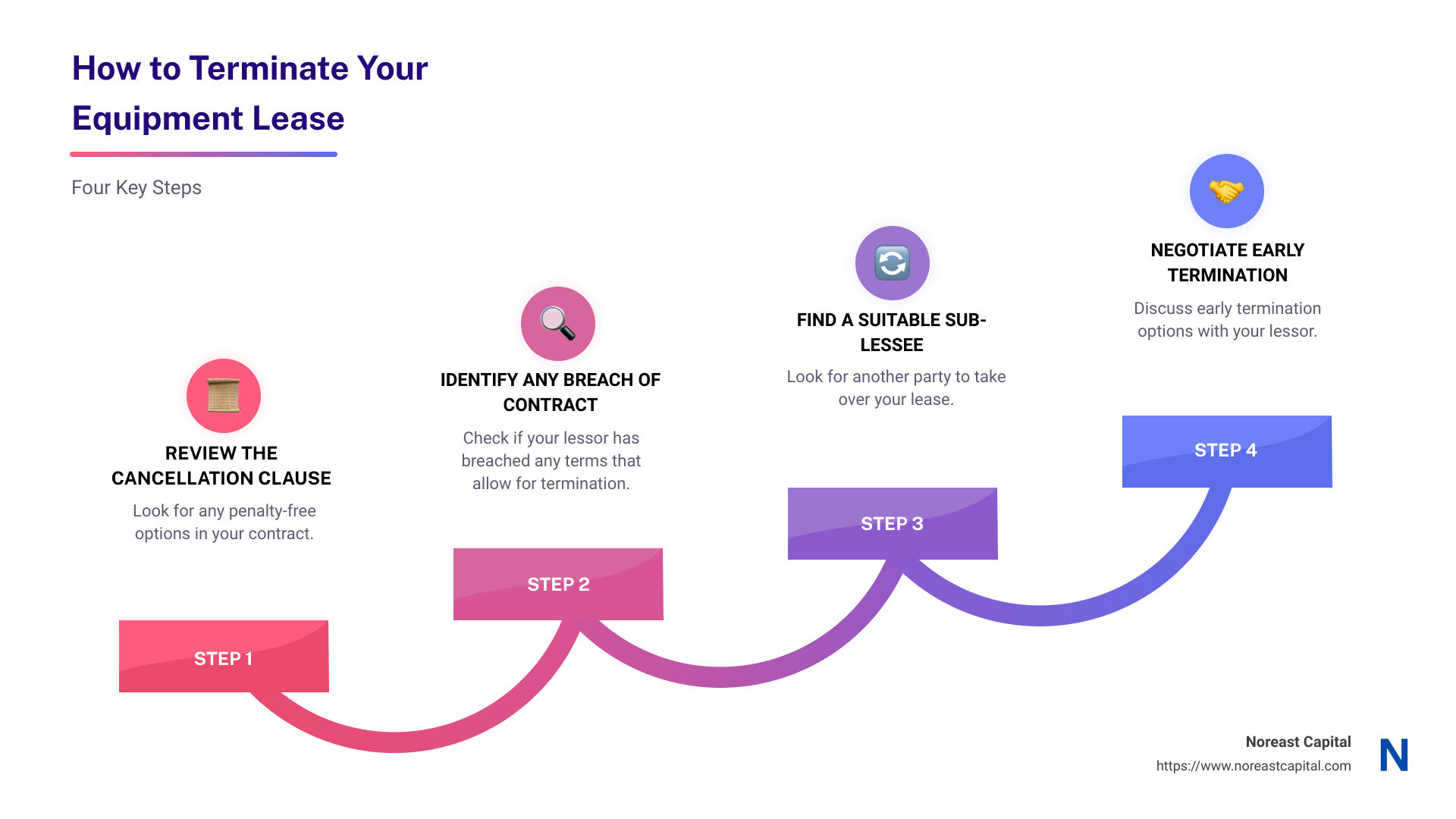
How to get out of an equipment lease can be a challenge, but it’s not impossible. If you need to exit your lease, consider these quick solutions:
- Review the cancellation clause in your contract for penalty-free options.
- Identify any breach of contract by your lessor that might allow for termination.
- Find a suitable sub-lessee to take over your lease.
- Negotiate with your lessor for early termination.
Managing an equipment lease is full of moving parts, from understanding contract terms to navigating financial implications. Whether you’re considering an early buyout, looking to transfer your lease, or seeking another exit strategy, multiple factors must be assessed to minimize costs and risks.
My name is Vincent Cerniglia, and with experience in equipment financing and leasing, I understand the nuanced steps involved in how to get out of an equipment lease. Over the years, I’ve helped many businesses steer these complexities, ensuring they find the best possible outcomes.
Know your how to get out of an equipment lease terms:
– equipment lease agreement
– how to account for leased equipment
– leasing vs financing
Understanding Your Equipment Lease Agreement
Key Clauses to Look For
When you’re trying to get out of an equipment lease, it’s crucial to understand the key clauses in your lease agreement. These clauses can determine if and how you can terminate your lease early.
Cancellation Clause: The first thing to check is if your lease includes a cancellation clause. This clause may allow you to terminate the lease without penalty under specific conditions, such as within a certain number of days after signing the contract.
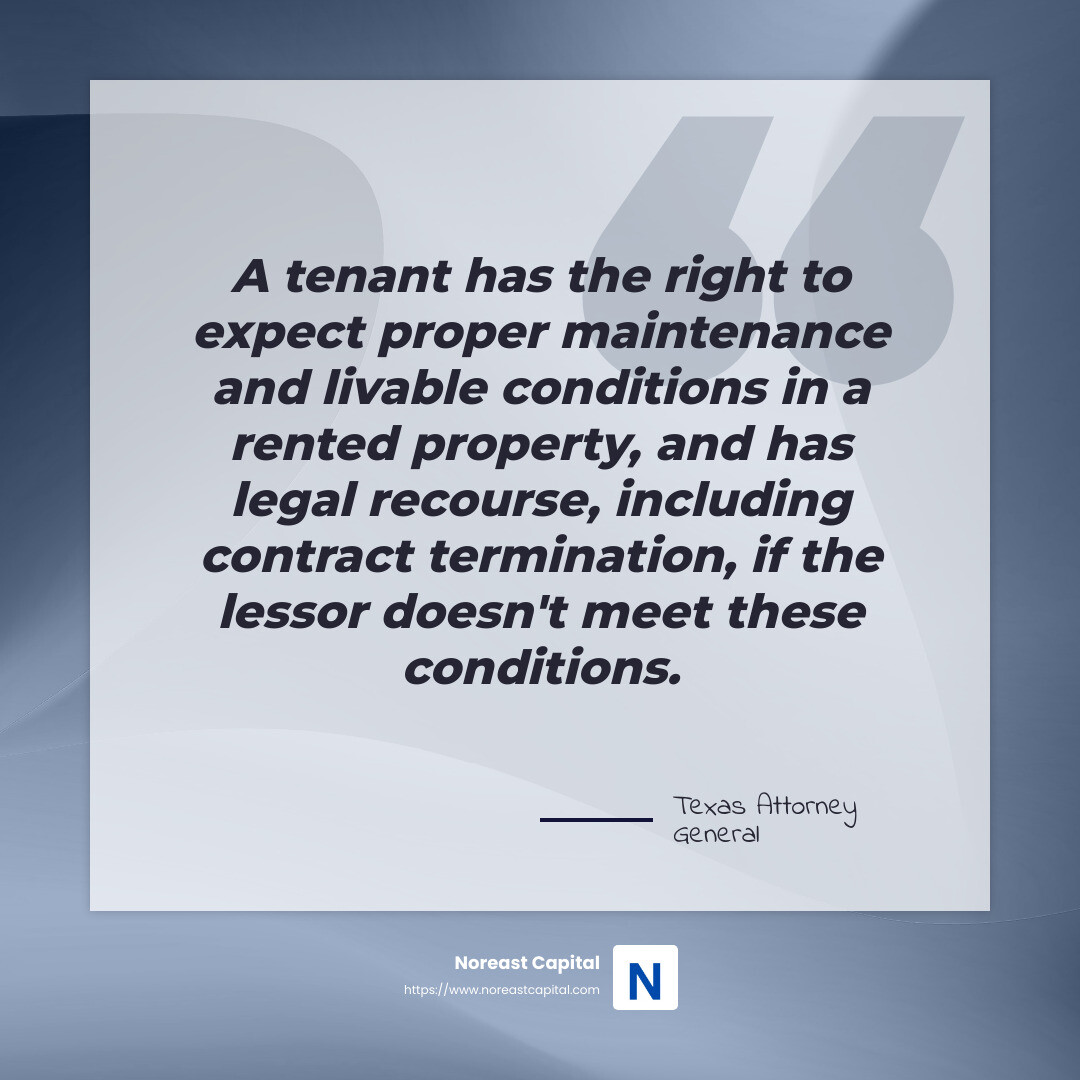
Breach of Contract: Look for conditions that define what constitutes a breach of the lease by the lessor. For instance, if the lessor fails to maintain the equipment as agreed, you may have grounds to terminate the lease. According to the Texas Attorney General, tenants have legal recourse if the lessor fails to maintain livable conditions, which can include equipment functionality.
“A tenant has the right to expect proper maintenance and livable conditions in a rented property, and has legal recourse, including contract termination, if the lessor doesn’t meet these conditions.”
Sub-Leasing: If your lease agreement allows for sub-leasing, you can find a sub-lessee to take over your lease. This can be a viable option if you can’t terminate the lease directly. Make sure to screen potential sub-lessees carefully, checking their credit references to ensure they can meet financial obligations.
Buyout Options
Exploring buyout options can also be a practical solution for ending your lease. Here are the primary types of buyout options you might encounter:
Nominal Buyout: This is the simplest option. At the end of the lease term, you can buy the equipment for a nominal amount, often as low as $10. This option is usually agreed upon when the lease is signed, making it predictable and straightforward.
Residual Buyout: With this option, you can purchase the equipment at the end of the lease for a percentage of its initial cost. Typically, this percentage is around 10%, but it can vary. This option is useful if you want to own the equipment but don’t have the funds to buy it outright at the beginning.
Fair Market Value Buyout: This option allows you to buy the equipment at its fair market value at the end of the lease. The fair market value is determined by the lessor and can fluctuate based on the equipment’s condition and market demand.
“The most common end-of-lease buyout options include: nominal buyout, residual buyout, and fair market value buyout.”

Understanding these options can help you make an informed decision about whether to buy out your lease or explore other termination strategies.
Next, we’ll dive into the steps for terminating your equipment lease, including how to review your lease agreement and effectively communicate with your lessor.
Steps to Terminate Your Equipment Lease
Review Your Lease Agreement
Before you take any steps to terminate your equipment lease, the first thing you need to do is review your lease agreement. This document holds all the key information about your options for getting out of the lease.
Cancellation Conditions: Check if your lease includes any conditions for cancellation. Some leases allow for termination without penalty within a specific time frame after signing. Others might let you cancel if you find a suitable sub-lessee.
Breach Conditions: Look for clauses that describe what constitutes a breach of the lease by the lessor. If the lessor fails to meet their obligations, such as maintaining the equipment, you might have grounds to terminate the lease.
“A tenant has the right to expect proper maintenance and livable conditions in a rented property, and has legal recourse, including contract termination, if the lessor doesn’t meet these conditions.”
Understanding these terms can help you identify your options and avoid potential penalties.
Communicate with Your Lessor
Once you’ve reviewed your lease agreement, the next step is to communicate with your lessor. Open and honest communication can sometimes lead to a mutually beneficial solution.
Negotiate Early Termination: Approach your lessor and discuss the possibility of terminating the lease early. They might agree to end the lease without penalty, or for a small fee.
Penalty Fees: Be prepared to discuss any penalty fees that might apply. Knowing these fees upfront can help you weigh the costs and benefits of ending the lease early.
Explore Lease Transfer Options
If early termination isn’t an option or is too costly, you can explore lease transfer options.
Sub-Leasing: If your lease agreement allows for sub-leasing, you can find a sub-lessee to take over your lease. Make sure to screen potential sub-lessees carefully by checking their credit references to ensure they can meet financial obligations.
Lease Assumption: Another option is lease assumption, where a new lessee takes over your lease. This process requires credit approval from the lessor, but it can be a viable way to exit your lease without incurring penalties.
By following these steps, you can effectively steer the process of terminating your equipment lease.
Next, we’ll cover the financial considerations you should keep in mind when terminating your lease, including the impact of remaining payments and potential tax benefits.
Financial Considerations
Paying Off the Lease Early
If you’re thinking about paying off your equipment lease early, here are some key points to consider:
Financial Impact: Paying off your lease early can free up monthly cash flow, but it means you’ll need to settle the entire balance of payments upfront. This could be a significant amount, depending on how much time is left on your lease.
Balance of Payments: Just like with a rental property, if you want out early, you owe the remaining lease payments. For example, if you have a 5-year lease and want out after 2 years, you’ll owe the remaining 3 years’ worth of payments.
Tax Benefits: One downside to early payoff is losing the tax benefits tied to monthly lease payments. Lease payments can often be deducted as business expenses, offering tax advantages that you won’t get if you pay off the lease in one lump sum.
Financing Costs: Paying off the lease early means you’ll cover all the financing costs upfront. For many businesses, keeping cash in the bank is crucial for maintaining liquidity and managing unforeseen expenses. According to research, 61% of businesses struggle with cash flow issues at any given time.
Auctioning Equipment
Another option to consider is auctioning off your equipment. This can help you recoup some costs, but understand the process and potential expenses involved:
Auction Setup: Setting up an auction can be a practical way to sell off leased equipment, but remember, you can’t auction off items you don’t own without the lessor’s permission. You’ll need to coordinate with the leasing company to see if they allow this option.
Auctioneer Fees: Hiring an auctioneer comes with fees that can eat into your profits. These fees can be a percentage of the sale price, so weigh the costs against the potential benefits.
Equipment Value: The market value of your equipment will determine how much you can expect to get from an auction. That equipment depreciates over time, so the sale price might be lower than what you originally paid.
Avoiding Moving Costs: Auctioning equipment at your site can save on moving costs, which can be substantial. Moving heavy machinery like CNC machines or compressors can add up quickly, making on-site auctions a cost-effective solution.
By considering these financial aspects, you can make a more informed decision about how to get out of an equipment lease. Next, we’ll address some frequently asked questions about terminating equipment leases, including credit impact and what happens to the equipment at the end of the lease.
Frequently Asked Questions about How to Get Out of an Equipment Lease
Does Leasing Equipment Affect Your Credit?
Leasing equipment can impact your credit, but the effect varies. Some key points to consider:
Soft Credit Checks: Many leasing companies perform soft credit checks that don’t impact your credit score. However, some may conduct hard checks, which can temporarily lower your score.
Payment History: Timely lease payments can help build your business credit. Conversely, missed payments can hurt your credit score and make future financing harder to obtain.
Lease Offers: A strong credit history can help you get better lease offers with lower interest rates and more favorable terms.
What Happens to Equipment at the End of a Lease?
At the end of your lease, you generally have a few options:
Equipment Return: You can return the equipment to the lessor. This is common with operating leases where you only need the equipment for a short period.
Buyout Option: If you want to keep the equipment, you can exercise your buyout option. This could be a nominal buyout (e.g., $10), a residual buyout (a percentage of the equipment’s cost), or a fair market value buyout.
Lease Period: Some leases automatically renew if you don’t take action at the end of the lease period. Mark your calendar to avoid unwanted renewals and extra payments.
How Do I Get Out of a Copier Lease?
Getting out of a copier lease can be tricky but doable. Here are some steps to consider:
Automatic Renewal: Check your lease for automatic renewal clauses. If you miss the renewal notice period, you might be stuck for another term.
Balance Payoff: If you want to terminate early, you’ll likely need to pay off the remaining balance of the lease. This includes all remaining payments up to the end of the lease term.
Refinancing: Some companies offer refinancing options. You can take a loan to pay off the lease, then pay back the loan in more manageable installments.
By understanding these common questions, you can better steer the complexities of terminating an equipment lease. Next, we’ll explore the steps you need to take to effectively communicate with your lessor and explore lease transfer options.
Conclusion
Terminating an equipment lease can seem complicated, but understanding your options makes it manageable.
Summary
We’ve covered several key aspects of how to get out of an equipment lease. From reviewing your lease agreement and communicating with your lessor to exploring lease transfer options, each step is crucial. Your agreement’s terms will dictate your choices, so always start by reading the fine print.
Noreast Capital
At Noreast Capital, we specialize in providing flexible and straightforward equipment leasing solutions. Our experienced team can guide you through every step of the leasing process, including termination. We strive to make the transition as smooth as possible, whether you’re returning equipment, buying it out, or transferring the lease.
Equipment Leasing
Leasing equipment offers many benefits, such as lower upfront costs and access to the latest technology. However, it also requires careful planning, especially when considering termination. Knowing your buyout options—whether nominal, residual, or fair market value—can save you from unexpected expenses.
Termination Options
If you’re considering terminating your lease, here are your main options:
- Review Your Agreement: Understand the conditions for cancellation or breach.
- Communicate with Your Lessor: Negotiate terms and penalties for early termination.
- Explore Lease Transfer: Find a suitable sub-lessee to take over your lease.
For more details on our leasing options, visit our Office Equipment Financing page.
By understanding these steps and considerations, you can make informed decisions that benefit your business. We’re here to help you steer the complexities of equipment leasing and ensure you find the best solution for your needs.