

Kitchen space rental is a game-changer for culinary entrepreneurs seeking to expand their businesses without the burden of costly overhead. At the heart of this concept are shared-use kitchens, a modern solution for many food startups. Rather than investing heavily in a private kitchen, food entrepreneurs can leverage shared spaces that offer flexibility, professional equipment, and community support. Key benefits include:
- Cost Savings: Avoid large initial investments.
- Flexibility: Pay only for the time and space you use.
- Professional Equipment: Access high-quality kitchen tools without ownership costs.
- Community Support: Network with other food business owners.
I’m Vincent Cerniglia, and with experience in equipment financing and leasing solutions, particularly for kitchen space rental, I am committed to helping businesses grow efficiently. I’ve worked extensively with small and large businesses, guiding them in their journey to use shared-use kitchens as an effective tool for culinary success.

Must-know kitchen space rental terms:
– commercial kitchen rental baltimore
– rent kitchen for a day
Understanding Shared Use Kitchens
Shared-use kitchens are a crucial resource for food entrepreneurs. They come in various forms, each catering to different needs and business models. Let’s explore the main types: commissary kitchens, commercial kitchens, and ghost kitchens.
Commissary Kitchens
Commissary kitchens are shared spaces where multiple food businesses can prepare and cook their products. These kitchens are a popular choice for food trucks, caterers, and small-scale producers who need a licensed facility without the overhead of owning one.
- Cost Efficiency: Renting space in a commissary kitchen can significantly reduce expenses. Instead of bearing the full cost of utilities, equipment, and maintenance, businesses share these costs with others.
- Professional Environment: These kitchens are equipped with commercial-grade appliances, offering everything from ovens to refrigerators, ensuring you have the tools needed for high-quality food production.
- Community: Commissary kitchens foster a collaborative environment. You can network with other chefs and food entrepreneurs, sharing advice and resources.
Commercial Kitchens
While similar to commissary kitchens, commercial kitchens often refer to larger, more permanent setups. These are typically rented by established businesses needing additional space or by startups ready to scale up.
- Flexibility: Commercial kitchens can be rented on an hourly or monthly basis, allowing businesses to choose a plan that fits their production schedule.
- Compliance and Licensing: These spaces are already compliant with health and safety regulations, saving you the hassle of licensing your own kitchen.
Ghost Kitchens
Ghost kitchens are a newer concept, driven by the rise of delivery apps and changing consumer habits. These kitchens focus solely on food production for delivery, with no physical storefront for customers.
- Efficiency: Without the need for a dining area, ghost kitchens can streamline operations and focus solely on cooking and delivery.
- Market Reach: They allow businesses to test new markets or expand delivery areas without the cost of opening a new restaurant location.
Choosing the Right Kitchen
When considering a kitchen space rental, think about your specific needs:
- Location: Is it accessible for your team and suppliers?
- Equipment: Does it have the tools you need?
- Community: Will you benefit from networking opportunities?
Shared-use kitchens provide a flexible, cost-effective solution for food businesses of all sizes. Whether you’re a startup looking to enter the market or an established business seeking to expand, understanding the different types of shared kitchens can help you choose the right path.
Next, we’ll explore the benefits of renting a shared-use kitchen, including cost savings, community support, and compliance assurance.
Benefits of Renting a Shared Use Kitchen
Renting a shared-use kitchen offers numerous advantages for food entrepreneurs. Let’s explore the key benefits: cost savings, community support, and compliance assurance.
Cost Savings
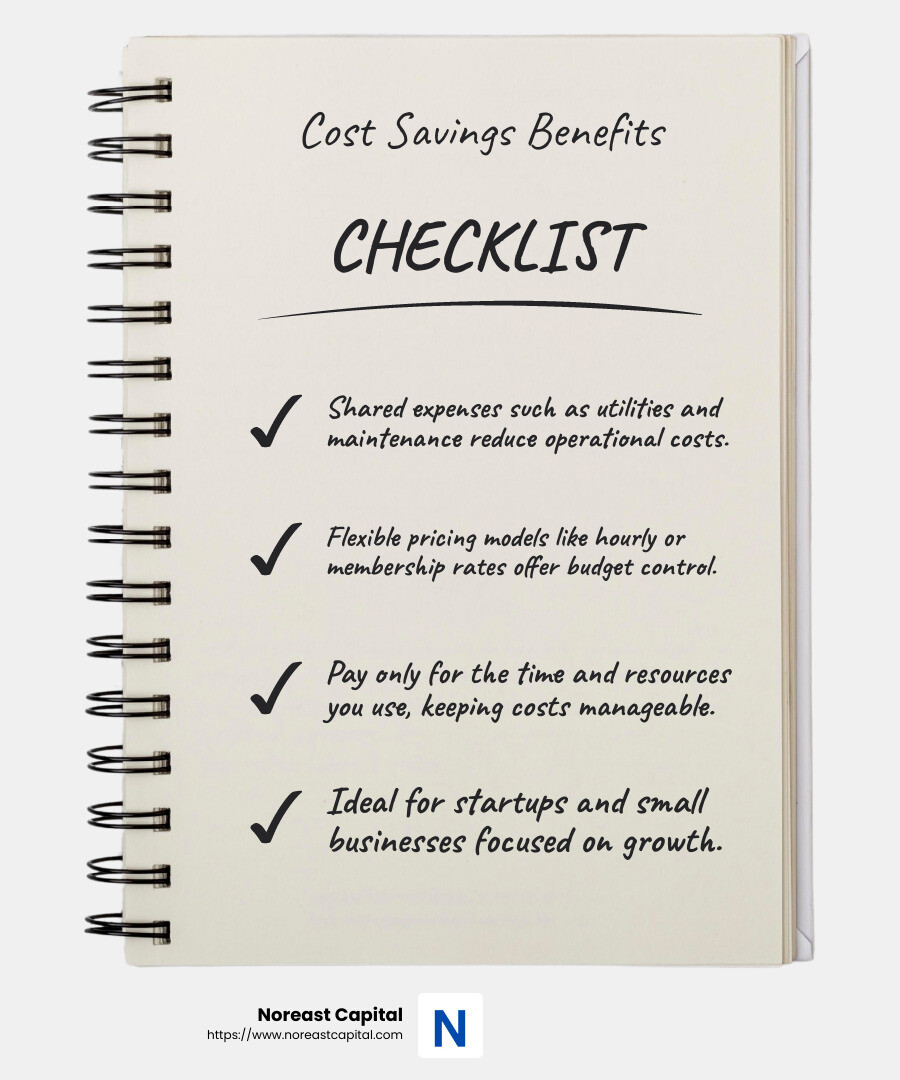
One of the most significant benefits of renting a shared-use kitchen is the cost savings. Building and maintaining your own commercial kitchen can be expensive. A shared kitchen allows you to pay only for the time and resources you use, which keeps costs manageable.
Shared Expenses: Utilities, equipment maintenance, and other overhead costs are shared among all users. This means you can focus more on growing your business instead of worrying about high operational expenses.
Flexible Pricing: Many shared kitchens offer hourly or membership-based pricing. This flexibility ensures you only pay for what you need, making it an ideal choice for startups and small businesses.
Community Support
In addition to financial benefits, shared-use kitchens provide a strong sense of community. You’re not just renting a space; you’re becoming part of a network of like-minded food entrepreneurs.
Networking Opportunities: Shared kitchens bring together chefs, bakers, caterers, and other food professionals. This environment fosters collaboration and the exchange of ideas, which can lead to new business opportunities and partnerships.
Shared Knowledge and Resources: Being part of a community means you have access to advice and support from others who have faced similar challenges. This support system can be invaluable as you steer the complexities of running a food business.
Compliance Assurance
Navigating health and safety regulations can be daunting for any food business. Shared-use kitchens simplify this process by ensuring compliance with local health codes.
Pre-licensed Facilities: These kitchens are already licensed and compliant with health and safety standards, reducing the risk of shutdowns and fines. This compliance assurance allows you to focus on what you do best—creating delicious food.
Assistance with Regulations: Many shared kitchens offer guidance and support to help you understand and meet regulatory requirements, giving you peace of mind as you operate your business.
In the next section, we’ll explore how to find the right kitchen space rental, including the role of platforms like The Kitchen Door and what to consider when choosing a location and equipment.
How to Find the Right Kitchen Space Rental
Finding the perfect kitchen space rental can make a huge difference for your food business. Let’s break down the steps and considerations to help you choose wisely.
The Kitchen Door
One of the best tools for finding a shared-use kitchen is The Kitchen Door. This platform connects you with a variety of commissary kitchens available for rent. Whether you’re a chef, caterer, or baker, The Kitchen Door makes it easy to find a space that fits your needs.
Wide Selection: The Kitchen Door offers a curated list of kitchens, ensuring you have access to quality, licensed spaces.
User-Friendly Search: Simply enter your location and requirements to find available kitchens nearby. This saves you time and effort, allowing you to focus on your business.
Location Considerations
Choosing the right location for your kitchen is crucial. Here are some key factors to consider:
Proximity to Your Market: Look for kitchens close to your target customers. This reduces transportation costs and ensures timely delivery of your culinary creations.
Accessibility: Ensure the kitchen is easy to reach. Consider its proximity to major roads or public transport. This can save you time and make operations smoother.
Equipment Availability
The equipment available in a shared-use kitchen can greatly impact your operations. Here’s what to look for:
Essential Equipment: Make a checklist of must-have items for your business. This could include commercial ovens, mixers, or refrigeration units. Verify that the kitchen has what you need to produce your menu efficiently.
Room for Growth: Consider your future needs. Is there enough space and equipment to scale your operations if your business grows?
By using platforms like The Kitchen Door and considering location and equipment availability, you can find a kitchen space rental that supports your business goals. Next, we’ll tackle some frequently asked questions about renting kitchen spaces.
Frequently Asked Questions about Kitchen Space Rental
How much does it cost to rent a kitchen for a day?
The cost of renting a kitchen can vary widely depending on the location, size, and amenities of the space. In general, hourly rates for a kitchen rental can range from $55 to $450. For instance, in Los Angeles, hourly prices span this range, making it crucial to get a detailed quote from the property owner to understand what is included in the rental fee. It’s also important to consider additional costs like utilities and insurance when budgeting for a kitchen rental.
What is a rental kitchen called?
Rental kitchens are often referred to as commissary kitchens or ghost kitchens. A commissary kitchen is a shared-use, commercially-licensed space where food entrepreneurs can cook legally. These kitchens are equipped with commercial-grade equipment and are maintained by the facility, reducing the burden on individual businesses. Ghost kitchens, on the other hand, are designed primarily for delivery-only food businesses. They focus on efficiency and minimizing overhead costs by eliminating the need for a dine-in area.
Do churches rent out their kitchens?
Yes, churches often offer their kitchens for rent as an affordable option for food entrepreneurs. This can be a cost-effective solution for those just starting out or for small-scale operations. Renting from a church kitchen can also provide a sense of community support, as these spaces are often part of a larger community network. This can be beneficial for networking and gaining local clientele. Be sure to check with local churches to see if they have the necessary commercial licensing and equipment to meet your business needs.
By understanding the pricing, terminology, and available options, you can make an informed decision about your kitchen space rental. Next, we’ll explore how Noreast Capital can help you with equipment financing and business growth.
Conclusion
At Noreast Capital, we understand that finding the right kitchen space rental is just the beginning of your journey. Once you’ve secured the perfect shared-use kitchen, equipping it with the right tools becomes the next crucial step.
Equipment financing is where we come in. We offer flexible financing solutions that allow you to access high-quality kitchen equipment without the burden of ownership. This approach helps you maintain cash flow, which is essential for growing your business. By leasing equipment, you can save money upfront and allocate those savings toward marketing, hiring, or expanding your menu.
Moreover, our team at Noreast Capital is dedicated to supporting your business growth. We know that the food industry is competitive, and having the right equipment can make all the difference. Our financing options are designed to help you upgrade your kitchen efficiently, enhancing your operational efficiency and, ultimately, your restaurant’s performance.
Whether you’re a seasoned chef or a budding entrepreneur, partnering with us means you have a dedicated team ready to assist you in achieving your culinary dreams. We’re more than just a financing company; we’re your partners in success.
Ready to take the next step? Explore our commercial kitchen space rental options and see how Noreast Capital can help your business thrive.