
Understanding Machinery Lease Agreements and Their Benefits
A machinery lease agreement allows businesses to use machinery without the high upfront costs of purchasing it. This type of agreement is crucial for businesses wanting to avoid the depreciation and maintenance responsibilities that come with ownership. Here’s a quick glance at the benefits of a machinery lease agreement:
- Cost Efficiency: Lower upfront costs compared to purchasing machinery.
- Flexibility: Ability to update or change equipment as needed.
- Tax Benefits: Potentially deductible leasing costs as business expenses.
- Cash Flow: Preserve capital for other business needs.
A machinery lease agreement is a binding document between the machinery owner (lessor) and the user (lessee) that outlines the terms, responsibilities, and conditions under which the machinery will be leased. This agreement ensures clarity and protects both parties in case of disputes.
I’m Vincent Cerniglia! With experience in the equipment financing and leasing market, I’ve helped a wide range of businesses, from small startups to Fortune 500 companies, steer the complexities of machinery lease agreements. Let’s explore how this agreement can benefit your business.

Basic machinery lease agreement vocab:
– equipment lease agreement
– how to account for leased equipment
– how to get out of an equipment lease
What is a Machinery Lease Agreement?
A machinery lease agreement is a legal contract between two parties: the lessor (the machinery owner) and the lessee (the machinery user). This agreement outlines the terms and conditions under which the machinery is leased, ensuring both parties understand their responsibilities and obligations.
Key Elements of a Machinery Lease Agreement
Equipment Use
The lessee is allowed to use the machinery as specified in the agreement. This section often includes details on how the machinery should be operated and maintained. For example, the lessee might be restricted from using the equipment outside certain hours or for purposes not outlined in the contract. Proper use is crucial to avoid disputes and ensure the machinery remains in good condition.
Lease Term
The lease term specifies the duration for which the machinery is rented. This can range from a few months to several years, depending on the needs of the lessee and the agreement with the lessor. The term includes the start and end dates, and any conditions for renewal or termination.
Example: Construction Firm Leasing Heavy Machinery
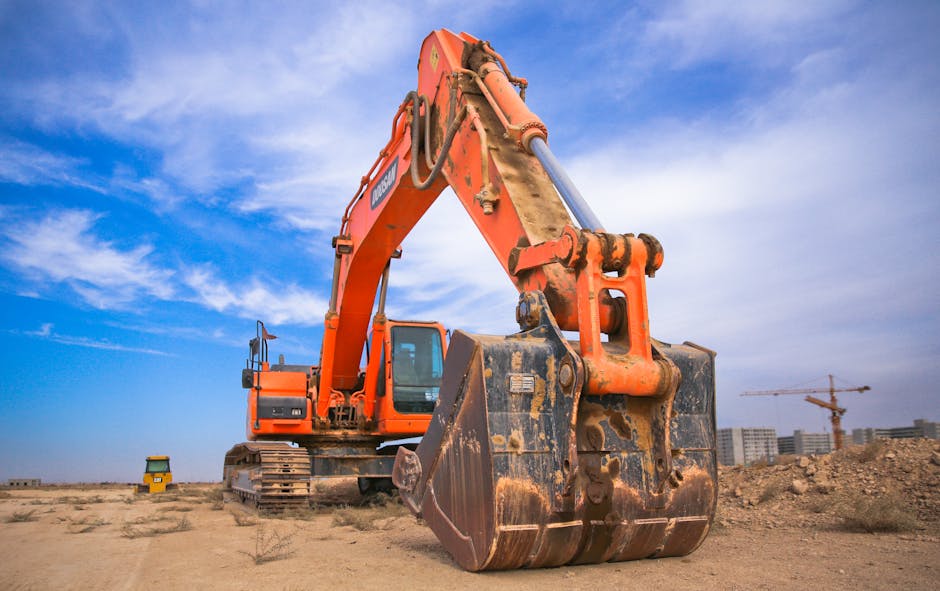
Imagine a construction firm needing an excavator for a six-month project. Instead of buying the expensive equipment outright, they enter into a machinery lease agreement. The contract specifies:
- Lease Term: Six months
- Equipment Use: Only for the specified construction site
- Maintenance: Lessee responsible for routine maintenance
- Payments: Monthly installments
This setup allows the firm to use the machinery without the financial burden of purchasing it, and they can return it once the project is complete.
Benefits for Both Parties
Lessors benefit by generating income from their machinery without selling it, while lessees gain access to necessary equipment without the high upfront costs. This mutual benefit makes machinery lease agreements a popular choice in many industries.

Protecting Both Parties
A well-drafted machinery lease agreement protects both the lessor and the lessee. It includes clauses for:
- Insurance: Ensuring the machinery is covered for damages or loss.
- Repairs and Maintenance: Outlining who is responsible for upkeep.
- Liability: Specifying who holds liability in case of accidents or misuse.
By clearly defining these aspects, the contract minimizes potential conflicts and ensures smooth operations.
This detailed structure ensures that both parties are clear on their roles and can focus on their core activities without worrying about the machinery’s ownership and maintenance.
Next, let’s explore the different types of machinery lease agreements available and how they can be custom to suit your business needs.
Types of Machinery Lease Agreements
When it comes to leasing machinery, there are two main types of agreements: finance leases and operating leases. Each type has its unique benefits and conditions, making them suitable for different business needs.
Finance Leases
Finance leases, also known as capital leases, are designed for businesses that eventually want to own the machinery. Here’s how they work:
- Ownership Transfer: At the end of the lease term, the lessee can purchase the machinery, often for a nominal fee like $1.
- Long-Term Use: These leases are typically long-term, ranging from one to five years.
- Balance Sheet Impact: The machinery is recorded as an asset on the lessee’s balance sheet, and the lease payments are considered liabilities.
- Tax Benefits: Lessees can often deduct depreciation and interest expenses on their taxes.
Example: A manufacturing company leases a CNC machine for three years. At the end of the lease, they pay a small fee to own the machine. This allows them to spread out the cost over time while eventually adding the asset to their balance sheet.
Operating Leases
Operating leases are more like rentals and are ideal for businesses that prefer flexibility. Key features include:
- No Ownership: The lessee does not own the machinery at the end of the lease term.
- Shorter Terms: These leases are generally shorter, often less than three years.
- Off-Balance Sheet: The machinery is not recorded as an asset, which can help improve the lessee’s financial ratios.
- Lower Payments: Monthly payments are usually lower than those of finance leases, making it easier on cash flow.
Example: A tech startup leases high-end servers for 18 months to handle increased traffic. They can upgrade to newer models at the end of the lease, keeping their technology current without a large upfront investment.
Benefits of Leasing Machinery
Leasing machinery offers several advantages:
- Cost Savings: Leasing can be more affordable than buying outright, especially for expensive machinery.
- Tax Benefits: Depending on the lease type, businesses can enjoy tax deductions on lease payments or depreciation.
- Flexibility: Operating leases allow businesses to upgrade equipment frequently, ensuring they always have the latest technology.
- Improved Cash Flow: Lower monthly payments help maintain cash flow, essential for small businesses.
Conditions to Consider
When entering a machinery lease agreement, consider the following conditions:
- Maintenance Responsibilities: Clarify who is responsible for routine maintenance and repairs.
- Usage Restrictions: Ensure the lease outlines any limitations on how the machinery can be used.
- Insurance Requirements: Verify that the machinery is insured against damage or loss.
- End-of-Lease Options: Understand your options at the end of the lease, whether it’s purchasing the machinery, renewing the lease, or returning the equipment.
By understanding the different types of machinery lease agreements and their benefits, you can choose the one that best fits your business needs. Next, we’ll discuss how to create a machinery lease agreement and the essential components to include.
Advantages and Disadvantages of Leasing Machinery
Leasing machinery can be a smart move for many businesses, but it’s not without its drawbacks. Here’s a closer look at the advantages and disadvantages of leasing machinery.
Advantages of Leasing Machinery
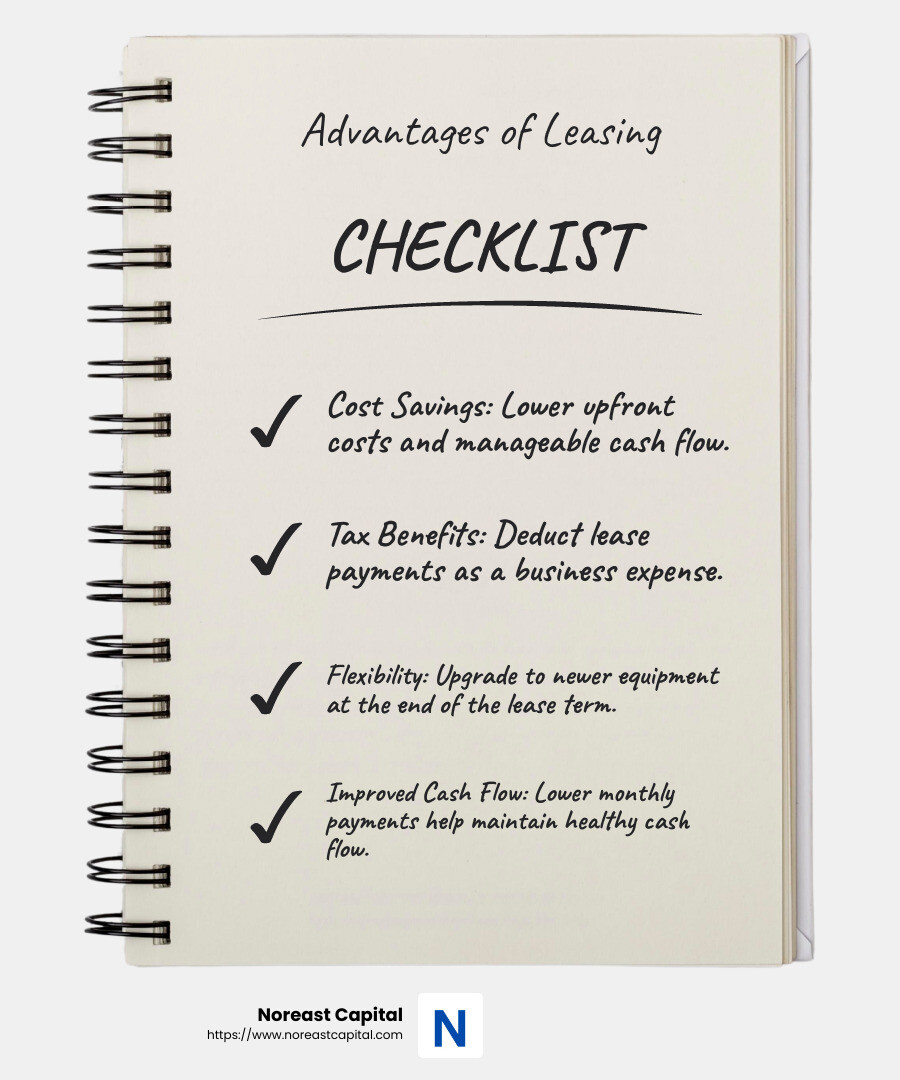
1. Cost Savings
Leasing often requires lower upfront costs compared to buying. This is especially beneficial for small businesses or startups that may not have the capital to purchase expensive machinery outright. By spreading the cost over the lease term, businesses can manage their cash flow more effectively.
2. Tax Benefits
Depending on the type of lease, you might be able to deduct lease payments as a business expense. For example, with a finance lease, you can often deduct depreciation and interest expenses. This can result in significant tax savings.
3. Flexibility
Leasing offers flexibility that purchasing doesn’t. With operating leases, you can upgrade to newer equipment at the end of the lease term. This ensures that your business always has access to the latest technology without the burden of owning outdated machinery.
4. Improved Cash Flow
Lower monthly payments mean you can maintain a healthier cash flow. This is crucial for covering day-to-day operations, investing in growth, or handling unexpected expenses.
Disadvantages of Leasing Machinery
1. No Ownership Equity
One of the main drawbacks of leasing is that you don’t build any ownership equity. At the end of the lease term, you don’t own the machinery unless you opt for a buyout option, which can be an additional expense.
2. Long-Term Costs Can Be Higher
While the monthly payments are lower, the total cost of leasing can be higher in the long run compared to buying. This is because you’re paying for the use of the equipment over time, plus interest and other fees.
3. Inflexible Agreements
Lease agreements can be inflexible. They often include terms that restrict how the machinery can be used and may impose penalties for excessive wear and tear or early termination of the lease.
4. Limited Customization Options
Leased machinery often needs to be returned in its original condition, barring normal wear and tear. This means you may be restricted in how you can modify or customize the machinery to suit your specific needs.

Conditions to Consider
When leasing machinery, it’s crucial to understand the terms and conditions of your lease agreement:
- Maintenance Responsibilities: Determine who is responsible for routine maintenance and repairs.
- Usage Restrictions: Be aware of any limitations on how the machinery can be used.
- Insurance Requirements: Ensure the machinery is insured against damage or loss.
- End-of-Lease Options: Know your options at the end of the lease—whether it’s purchasing the machinery, renewing the lease, or returning it.
Leasing can be a great option for many businesses, but it’s important to weigh the pros and cons carefully. Next, we’ll discuss how to create a machinery lease agreement and the essential components to include.
Creating a machinery lease agreement involves several key steps. It’s essential to ensure that all components are clearly defined and legally sound. Below are the main elements you need to include:
Essential Components
Description of Equipment: Clearly describe the machinery being leased. Include details like make, model, serial number, condition (new or used), and value.
Lease Term: Specify the start and end dates of the lease. Also, outline any options for renewing or extending the lease.
Payment Terms: Detail the rent amount, payment schedule, and any late fees. Include information about deposits, if applicable.
Usage Restrictions: Define how the lessee can use the equipment. Any restrictions should be clearly stated to prevent misuse.
Maintenance Responsibilities: Clarify who is responsible for regular maintenance and repairs. This section should also cover what happens if the machinery needs significant repairs.
Insurance Requirements: Specify the type and amount of insurance the lessee must carry. This protects both parties in case of damage or loss.
End-of-Lease Options: Outline what happens at the end of the lease term. Options may include returning the equipment, renewing the lease, or purchasing the machinery.
Legal Requirements
A machinery lease agreement must comply with local laws and regulations. Here are some legal aspects to consider:
- Compliance with Local Laws: Ensure the agreement adheres to state and federal laws. This may include specific clauses related to leasing terms and consumer protections.
- Signatures: Both parties must sign the agreement for it to be legally binding. Electronic signatures are often acceptable.
- Dispute Resolution: Include a clause that outlines how disputes will be handled. Arbitration or mediation are common options.
Payment Terms
Payment terms should be clear and concise. Here’s what to include:
- Rent Amount: State the monthly rent and any additional fees.
- Payment Schedule: Specify when payments are due (e.g., the first of each month).
- Late Fees: Detail any penalties for late payments, such as a percentage of the overdue amount.
- Security Deposit: If applicable, include the amount of the deposit and conditions for its return.
Maintenance Responsibilities
Maintenance is a crucial part of any machinery lease agreement. Here’s what to consider:
- Routine Maintenance: Define who is responsible for regular upkeep, such as oil changes or part replacements.
- Repairs: Specify who handles repairs and how quickly they must be addressed.
- Irreparable Damage: Outline the steps to take if the machinery is damaged beyond repair, including any financial responsibilities.
By including these essential components, you can create a comprehensive and legally sound machinery lease agreement. This ensures both parties understand their responsibilities and helps prevent disputes.
Next, we’ll discuss how to download your free machinery lease agreement templates and customize them to suit your needs.
Download Your Free Machinery Lease Agreement Templates
Creating a machinery lease agreement from scratch can be time-consuming. To make it easier, we offer free templates that you can download and customize to fit your needs. These templates are available in both PDF and Word formats.
PDF Template
Our PDF template is perfect if you need a professional, ready-to-use document. It’s formatted to include all the essential components of a machinery lease agreement, such as:
- Description of Equipment
- Lease Term
- Payment Terms
- Usage Restrictions
- Maintenance Responsibilities
- Insurance Requirements
- End-of-Lease Options
How to use the PDF template:
- Download the PDF file.
- Open it in any PDF reader.
- Fill in the blanks with your specific details.
- Print and sign the document.
This option is ideal for those who need a quick, no-fuss solution.
Word Template
For those who need more flexibility, our Word template is fully editable. You can easily customize it to include specific terms and conditions that suit your unique situation.
How to use the Word template:
- Download the Word file.
- Open it in Microsoft Word or any compatible word processor.
- Edit the text to include your specific details, such as equipment description, lease term, and payment terms.
- Save and print the document for signing.
This option is perfect if you need to make frequent updates or add additional clauses.
Customization
Both templates are designed to be easily customizable. You can:
- Add or remove sections based on your needs.
- Modify text to fit specific legal requirements.
- Include additional clauses that are relevant to your lease agreement.
Easy Download
Downloading your free templates is simple:
- Visit our website and steer to the Templates section.
- Select the template format you prefer (PDF or Word).
- Click the download button.
- Save the file to your computer.
With these templates, you can create a comprehensive and legally sound machinery lease agreement in no time. This ensures both parties understand their responsibilities and helps prevent disputes.
Next, let’s address some frequently asked questions about machinery lease agreements.
Frequently Asked Questions about Machinery Lease Agreements
What is the difference between a finance lease and an operating lease?
A finance lease (also known as a capital lease) allows the lessee to use the machinery for most of its useful life. At the end of the lease term, the lessee often has the option to buy the equipment, sometimes for a nominal amount like $1. This type of lease is similar to a loan and is reflected on the lessee’s balance sheet as an asset.
An operating lease, on the other hand, is more like a rental agreement. The lessee uses the machinery for a shorter period compared to its useful life and does not gain ownership at the end of the lease term. This type of lease is ideal for equipment that may become outdated quickly, as it allows for easier upgrades.
Key differences:
– Ownership: Finance leases often lead to ownership; operating leases do not.
– Balance Sheet: Finance leases are capitalized; operating leases are not.
– Lease Term: Finance leases cover most of the equipment’s life; operating leases are shorter.
What should be included in a machinery lease agreement?
A well-drafted machinery lease agreement should include several essential components to ensure clarity and legal validity:
- Description of Equipment: Detailed information about the machinery, including make, model, serial number, and condition.
- Lease Term: The start and end dates of the lease.
- Payment Terms: The rent amount, payment schedule, and any penalties for late payments.
- Usage Restrictions: Guidelines on how the lessee can use the machinery.
- Maintenance Responsibilities: Who is responsible for maintaining and repairing the equipment.
- Insurance Requirements: Whether the lessee needs to insure the machinery.
- End-of-Lease Options: What happens at the end of the lease term, such as returning the equipment or purchasing it.
How can leasing machinery benefit my business?
Leasing machinery offers several advantages that can significantly benefit your business:
Cost Savings:
– Lower upfront costs: Leasing often requires less initial capital compared to purchasing.
– Predictable payments: Fixed monthly payments make budgeting easier.
Tax Benefits:
– Tax deductions: Lease payments may be deductible as business expenses, reducing taxable income.
– Faster write-offs: Operating leases can offer quicker tax write-offs compared to depreciation on purchased equipment.
Flexibility:
– Upgrade options: Leasing allows you to upgrade to newer equipment without the hassle of selling old machinery.
– No long-term commitment: Operating leases let you use the latest technology without a long-term commitment.
By leasing machinery, businesses can preserve cash flow, stay current with technology, and enjoy potential tax benefits. This makes it a smart choice for many companies looking to optimize their operations.
Next, let’s dive deeper into the specific components and legal requirements of a machinery lease agreement.
Conclusion
At Noreast Capital, we understand the importance of having the right equipment to keep your business running smoothly. Our equipment financing solutions are designed to help you acquire the machinery you need without the burden of ownership. This means you can save money and maintain cash flow while using the latest technology to stay competitive.
Our commercial equipment finance solutions offer flexible terms that cater to your unique needs. Whether you’re looking to lease machinery for a short term or need a longer-term solution, we’ve got you covered. Our goal is to provide you with the financial tools and resources needed to thrive in your industry.
By choosing Noreast Capital, you can focus on growing your business while we handle the financing. Our team is committed to supporting you every step of the way, from application to approval and beyond. We believe that your success is our success, and we’re here to help you achieve great things.
Ready to take the next step? Explore our office equipment financing options and find how Noreast Capital can help your business grow.