

Business Equipment Loan Rates 2025: Master & Avoid Shock
Why Understanding Equipment Loan Rates Is Critical for Your Business Success
Business equipment loan rates directly affect the true cost of your next purchase. Here’s the quick view:
Current Rate Ranges
- Traditional banks: 2 %–13 % APR
- Online lenders: 7 %–100 % APR
- SBA loans: 5.5 %–11.25 % APR
- Strong credit: 6 %–9 % APR
- Challenging credit: 9 %–20 %+ APR
Top Rate Drivers
- Credit score (600 minimum, 680+ for best terms)
- Time in business (6 months min.; 2+ years ideal)
- Down payment (0 %–30 %)
- Term length (3–10 years)
With rates ranging from 4 % to 45 %, understanding what influences those numbers can save thousands. Fees such as origination, documentation and pre-payment penalties add another 2 %–5 % to many loans, so always look at the APR—not just the headline rate.
At Noreast Capital we’ve watched well-prepared owners secure the equipment they need without draining working capital. Compare loan and lease options, examine the total cost, and choose the structure that keeps your cash flow healthy.

Decoding Equipment Loan Rates: What’s in the Fine Print?
The interest rate you see advertised is only part of the story. The Annual Percentage Rate (APR)—defined on Wikipedia—bundles interest with every fee, so it’s the only reliable number for side-by-side comparisons.
A 10 % rate on a $100,000 loan plus a 3 % origination fee raises your true cost to roughly 13 % APR—an extra $3,000 you may not have budgeted.
Most lenders will finance up to 125 % of the invoice to cover soft costs like installation, freight and taxes, helping you preserve cash.
Run the numbers with our Equipment Finance Calculator.
What Are Typical Business Equipment Loan Rates Today?
- Banks & credit unions: 2 %–13 % APR
- SBA-backed programs: 5.5 %–11.25 % APR
- Online lenders: 7 %–100 % APR
- Strong borrowers: 6 %–9 % APR
- Newer/challenged credit: 9 %–20 %+
See more tactics in Loans with Low Interest Rates.
Typical Fees to Watch
- Origination: 1 %–5 %
- Documentation: $150–$300
- UCC filing: $25–$100
- Appraisal (used gear): $200–$500
- Possible prepayment penalties
Can a Loan Cover More Than Just the Equipment?
Yes. Many programs offer 100 %—even 125 %—financing so you can roll in shipping, setup, training or extended warranties. Bundling multiple items is common.
Need a zero-down option? Check Equipment Financing with No Money Down.
Key Factors That Determine Your Equipment Loan Rate
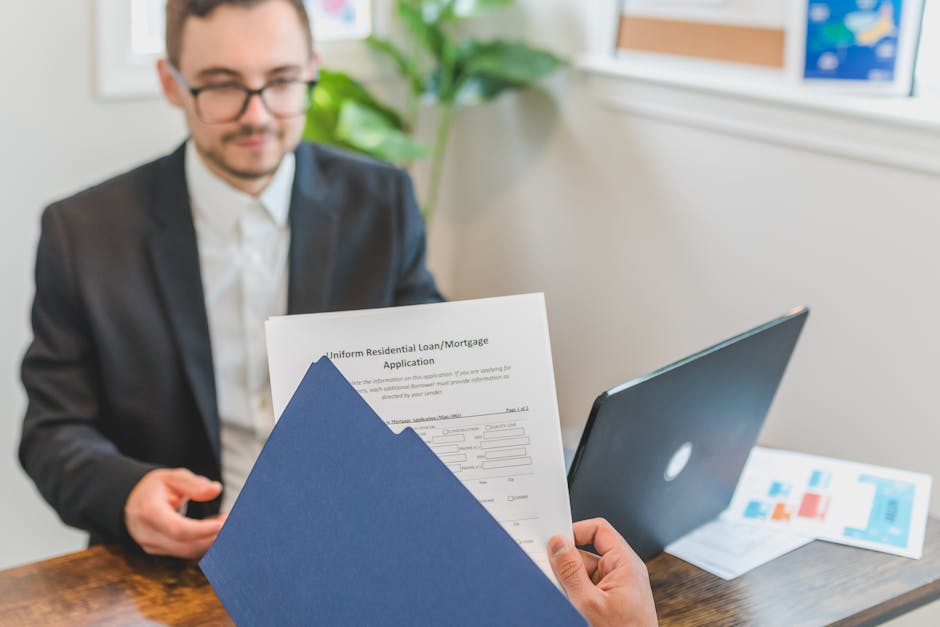
When lenders evaluate your equipment loan application, they’re essentially asking one question: “What’s the risk of lending to this business?” Your business equipment loan rates are determined by how confidently they can answer that question.
Think of it like a doctor examining a patient. Lenders look at your business’s financial health through several key indicators. The stronger these indicators, the better your rate will be.
Credit Score and Business History
Your personal credit score carries the most weight in determining your equipment loan rate. It’s like your business report card – and lenders take it seriously.
Most lenders won’t even consider applications below a 600 credit score minimum. But hitting that minimum doesn’t guarantee good rates. Here’s what really happens at different credit levels:
If you have a 680+ credit score, you’re in the sweet spot for the best rates, typically 6-9% APR. Lenders see you as a safe bet and compete for your business with attractive terms.
With a 650-679 credit score, you’ll still get good rates around 9-12% APR. You’re not getting the absolute best deals, but you have solid options.
A 600-649 credit score puts you in fair territory with rates around 12-18% APR. You’ll pay more, but financing is still accessible.
Below 600 severely limits your options, with rates often exceeding 18% APR – if you can get approved at all.
Don’t overlook your business credit score either. The D&B Paydex score ranges from 1 to 100, with scores above 80 considered excellent. Building strong business credit through consistent vendor payments can significantly improve your financing options.
Time in business is another crucial factor. While some lenders accept businesses with just 6 months of operating history, you’ll get much better rates with 2+ years in business. Lenders view established businesses as less risky investments.
Many lenders also require minimum annual revenue of $250,000. Higher revenue demonstrates your ability to service the debt and typically results in better rates.
If you’re a newer business, our Equipment Finance for Startups guide explains how to secure financing even with limited operating history.
Loan Term and Down Payment
The length of your loan term creates a balancing act between monthly affordability and total cost. Equipment loans typically range from 3 to 10 years, and each choice has trade-offs.
Short-term loans (3-5 years) offer lower total interest costs but higher monthly payments. For example, financing $50,000 at 9% interest for 3 years costs $7,239 in total interest with monthly payments of $1,595. You’ll pay less overall, but the monthly burden is heavier.
Long-term loans (7-10 years) flip that equation. The same $50,000 loan over 7 years costs $13,891 in total interest with monthly payments of $762. Your monthly cash flow improves, but you pay nearly double the interest.
Down payments typically range from 0% to 30% of the equipment cost. Even a modest down payment can improve your rate by 0.5-1%. A 10% down payment on a $100,000 equipment purchase reduces your loan amount to $90,000, lowering both your monthly payment and the lender’s risk.
Use our 10-Year Equipment Loan Calculator to compare different term lengths and down payment scenarios for your specific situation.
Equipment Type and Value
The equipment itself plays a starring role in determining your rate. Since the equipment serves as collateral for the loan, lenders care deeply about its value and marketability.
New equipment typically qualifies for better rates because it has higher resale value and longer useful life. It’s like buying a new car versus a used one – the lender feels more confident about the collateral.
Used equipment often carries higher rates due to lower collateral value, potential maintenance issues, shorter remaining useful life, and higher depreciation rates. The older the equipment, the higher the risk premium you’ll pay.
Lenders also prefer equipment with strong resale markets, slow depreciation rates, universal applications, and established manufacturers. A standard piece of construction equipment from a major manufacturer will get better rates than highly specialized equipment with limited resale markets.
The equipment’s useful life matters too. Financing a piece of equipment for 10 years when it only has 8 years of useful life left creates obvious problems for the lender.
For heavy machinery financing, check out our Heavy Equipment Financing guide, or learn about Equipment Collateral Loans for asset-backed financing options.
Loan vs. Lease: Choosing the Right Financial Prescription for Your Business

Financing is like buying a home, while leasing is more like renting an apartment. The best choice hinges on your cash flow, tax strategy and how long you’ll keep the equipment.
Loans
- Ownership after final payment
- Equity and collateral for future borrowing
- Section 179 and depreciation tax benefits
- Higher monthly payments and often a down payment
Leases
- Little or no money down
- Payments typically 20 %–30 % lower
- Easy upgrades at end of term—great for fast-changing tech
- Off-balance-sheet treatment can improve ratios
Dig deeper in our Leasing vs Financing guide.
When a Loan Wins
- You’ll use the asset for most of its life
- You want tax deductions and equity
Details: 9 Benefits of Financing Business Equipment
When a Lease Wins
- Rapid obsolescence or short-term contracts
- Need to preserve working capital
Learn more: What Is a Good Equipment Lease Rate?
For an at-a-glance comparison, visit Difference Between Equipment Lease and Loan.
How to Secure the Healthiest Business Equipment Loan Rates
Great rates come from preparation, comparison and negotiation.
1. Strengthen Your Application
- Boost personal credit above 680 and correct report errors.
- Build business credit (Paydex 80+) through on-time vendor payments.
- Attach a concise business plan showing revenue impact of the equipment.
- Gather tax returns, bank statements and current financials before you apply.
2. Shop Around
Banks and credit unions are usually cheapest, but online and specialty lenders serve newer or fast-growing firms. Collect several quotes and compare the APR, not just the payment. Always read for hidden fees.
See digital options at Equipment Financing Online.
3. Negotiate
- Offer a bigger down payment or additional collateral.
- Opt for a shorter term if cash allows.
- Ask about waiving origination or doc fees.
More leverage ideas in Asset-Based Equipment Financing.
Frequently Asked Questions about Equipment Financing
What is the average interest rate on an equipment loan?
When business owners ask about business equipment loan rates, I tell them to expect a range of 6% to 13% APR for most equipment loans. But here’s the thing – your actual rate could be much lower or significantly higher depending on your specific situation.
Businesses with excellent credit profiles often secure rates as low as 4%, while newer companies or those with credit challenges might face rates of 20% or higher. It’s not just about one factor – lenders look at the complete picture of your business.
Your personal credit score plays the biggest role. If you have a score of 680 or higher, you’ll qualify for the best rates. Your business credit history and Paydex score matter too, especially for larger loan amounts.
Time in business makes a huge difference. While some lenders work with businesses that have been operating for just six months, you’ll get much better rates with two or more years of operating history. Lenders see established businesses as safer investments.
Other factors that influence your rate include your annual revenue and cash flow, how much you put down, the loan term length, and what type of equipment you’re financing. New equipment typically gets better rates than used equipment because it holds its value better.
How does the loan term affect the total cost of an equipment loan?
This is where the math gets interesting – and where many business owners make costly mistakes. A longer loan term gives you lower monthly payments, which helps with cash flow. But you’ll pay significantly more in total interest over the life of the loan.
Let me show you what this looks like with real numbers. Say you’re financing $50,000 at 9% interest:
With a 3-year term: Your monthly payment is $1,595, and you’ll pay $7,239 in total interest. That’s a hefty monthly payment, but you’re done paying quickly.
With a 5-year term: Your monthly payment drops to $1,038, but total interest jumps to $12,275. You’re paying $5,036 more in interest for that lower monthly payment.
With a 7-year term: Your monthly payment is just $762, but total interest climbs to $13,891. Compared to the 3-year loan, you’re paying $6,652 more in interest.
It’s a classic trade-off between monthly affordability and total cost. If cash flow is tight, the longer term might make sense. But if you can handle higher monthly payments, the shorter term saves you thousands.
For heavy equipment with longer useful lives, check out our guide on How Long Can You Finance Heavy Equipment? to understand your options.
Is it better to lease or finance equipment?
This question comes up in almost every conversation I have with business owners, and the answer always depends on your specific business goals and financial situation.
Financing makes more sense when you plan to use the equipment for its entire useful life and want to build equity in your business. If you’re buying equipment that you’ll use for seven years or more, financing typically provides better long-term value. You’ll also get maximum tax deductions through depreciation and Section 179, plus you won’t have any usage restrictions.
Leasing often works better when you need to preserve cash flow, want lower monthly payments, or use equipment that becomes obsolete quickly. Technology equipment is a perfect example – by the time you’d pay off a computer system, it might already be outdated. Leasing lets you upgrade easily at the end of the term.
Leasing also provides off-balance-sheet financing, which can improve your debt ratios for other financing needs. The monthly payments are typically 20-30% lower than loan payments, which can make a big difference for your cash flow.
Here’s my practical advice: If you’re buying equipment that will last and you want to build business equity, financing is usually the way to go. If you need flexibility and want to preserve cash, leasing might be your best bet.
For a detailed comparison of all the factors, read our guide on What Is the Difference Between Lease and Finance? It breaks down every scenario to help you make the smartest choice for your business.
Get a Clean Bill of Financial Health for Your Business

Understanding business equipment loan rates is just the beginning of making smart financing decisions. The key takeaways for securing the best terms include:
Rate Shopping Pays Off: With rates ranging from 4% to 45%, comparing multiple lenders can save thousands in interest costs. Even a 2% rate difference on a $100,000 loan saves over $5,000 in total interest.
Look Beyond the Rate: APR tells the complete story by including all fees and charges. A slightly higher rate with lower fees might cost less overall.
Credit Is King: Your personal credit score is the biggest factor in determining your rate. Businesses with 680+ credit scores can access the best rates, while scores below 600 face limited options and higher costs.
Consider Both Loans and Leases: Financing builds equity and provides tax benefits, while leasing preserves cash flow and offers flexibility. The right choice depends on your business goals and financial situation.
Preparation Improves Terms: Strong financial documentation, a solid business plan, and improved credit scores all help secure better rates and terms.
At Noreast Capital, we specialize in creating flexible financing and leasing solutions that prioritize your cash flow and business growth. Our expertise in equipment financing across Maryland, Washington DC, and nationwide helps businesses find the right financial solution without the sticker shock.
Whether you need traditional equipment financing or want to explore leasing options that preserve your working capital, we’re here to help you make informed decisions that support your business success.
To see what rates you could qualify for without the sticker shock, get a no-obligation Rate Quote today.